

There is knowledge in color, and spot color screening does not trample on pits
Release time:
2023-05-25
Autumn is getting deeper and it's time to produce agricultural boxes again. Customers of agricultural boxes particularly like to print colorful images such as fruits and vegetables on the box label, which is both beautiful and visual. They don't need to look at the words to know at a glance what they are used for. Usually, the customer's requirements are not very high, but they need to pay attention to the details. After all, watermarks are different from color printing, and the equipment parameters limit the product's imagination, but at least it should be like that. How to use watermarks to print good color images is a topic that every Golden Beauty often discusses. We welcome everyone to discuss and share common progress together.
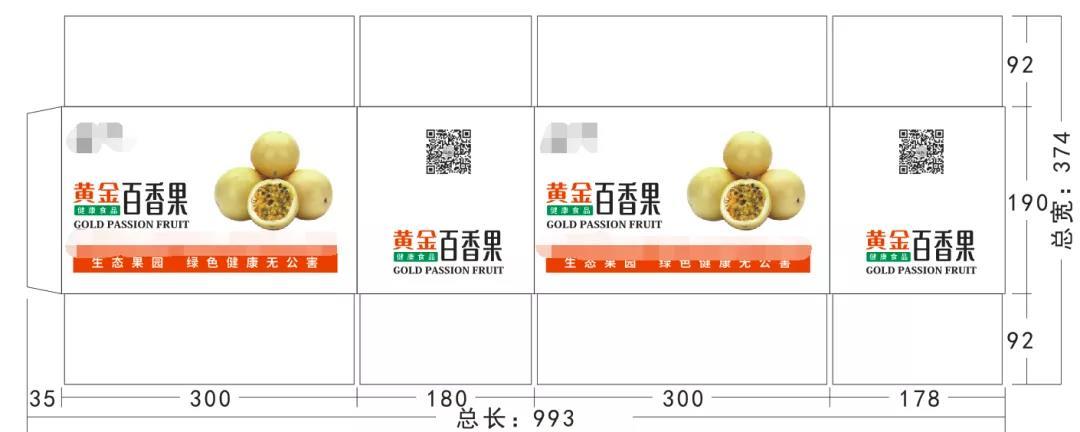
Recently, a customer ordered a cardboard box for passion fruit, saying it was made a few years ago. The layout is fixed, but the size needs to be changed, and they want to share the old version. After research, it has been found that there is a high probability of inaccurate web migration and a new version needs to be made. I thought it would be better to use old documents to make changes, but after borrowing the sample box from the quality control department, it immediately disappeared: the sample printing was rough and the edges were obvious. After contacting the plate manufacturer, it was found that the computer was used for automatic four color screening, but the layout cannot be printed using standard four color printing, resulting in serious color deviation.
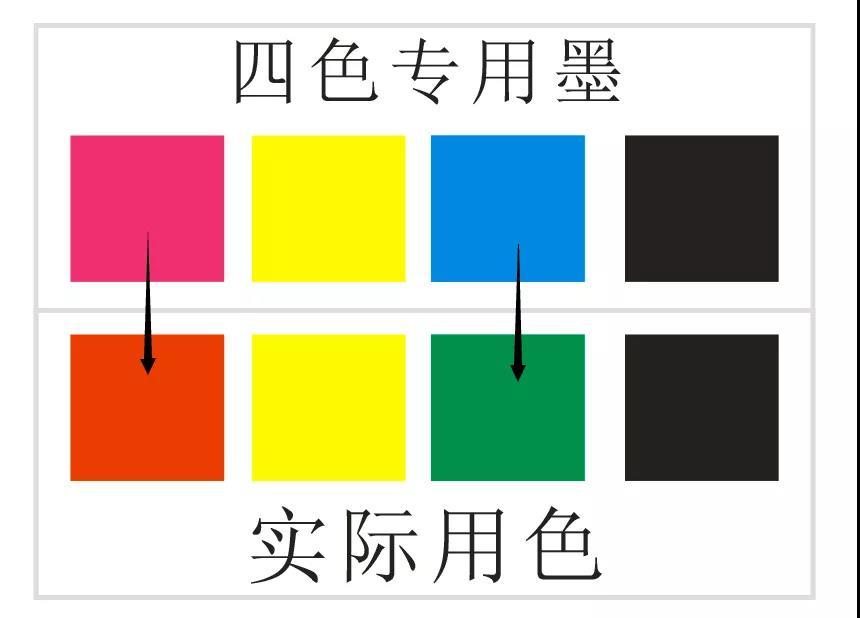
Originally, the dots were rose red and blue, but due to the presence of specialized red and specialized green content in the layout, spot color printing was used instead, resulting in a reddish and yellowish print. The correct approach should be to simulate spot colors and adjust the grayscale to achieve an effect as close as possible to the original image. After communication, the customer agreed to create a new version.
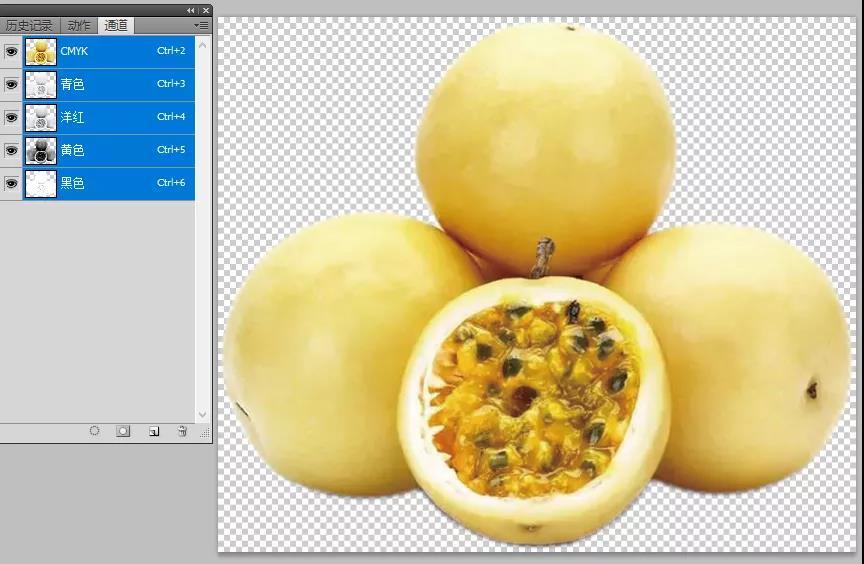
After adjusting the image, send it to the plate manufacturer for plate making, and the final effect is acceptable to the customer. Because the effect remained largely unchanged, it saved him a lot of royalties.
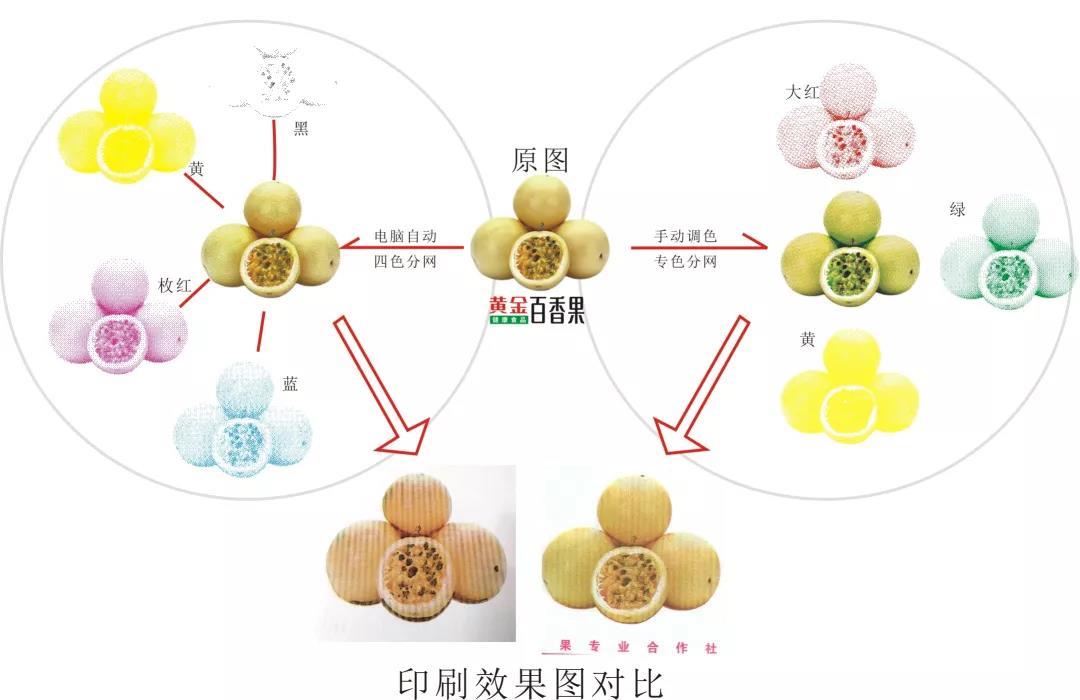
The pre press screening of documents is usually done by automatically converting the computer to CMYK mode for publication. Even with the best imported plates, the results are sometimes unsatisfactory. CMYK four-color printing is a Planographic printing method that uses rose red, pure yellow, blue and black ink to achieve full color reproduction according to the principle of subtractive color mixing. In theory, four color printing can obtain thousands of colors, but due to the printing process; Outlet; Due to deformation errors and limitations in visual recognition thresholds, there are significant color phase shifts and misalignment phenomena in four color printing on watermark machines.
The cardboard box is also commonly used with yellow paper, which lacks the contrast of a white background and makes the pattern appear darker and less shiny. The more printed, the darker the color. Therefore, we can use spot colors to replace the three primary colors, reduce the number of colors, and use Complementary colors to overprint the black effect; And the highlight part can reduce color contrast, and even use blank spaces without printing any dots.
Although CMYK is loyal to the original manuscript, it is not the best result when it comes to screening. The plate making cost is high, the printing difficulty is high, and the finished product effect is dark and color biased. Even if the equipment is well-equipped and not color biased, it can be considered excessive processing (i.e. excessive precision processing is waste), because there are simpler production methods.
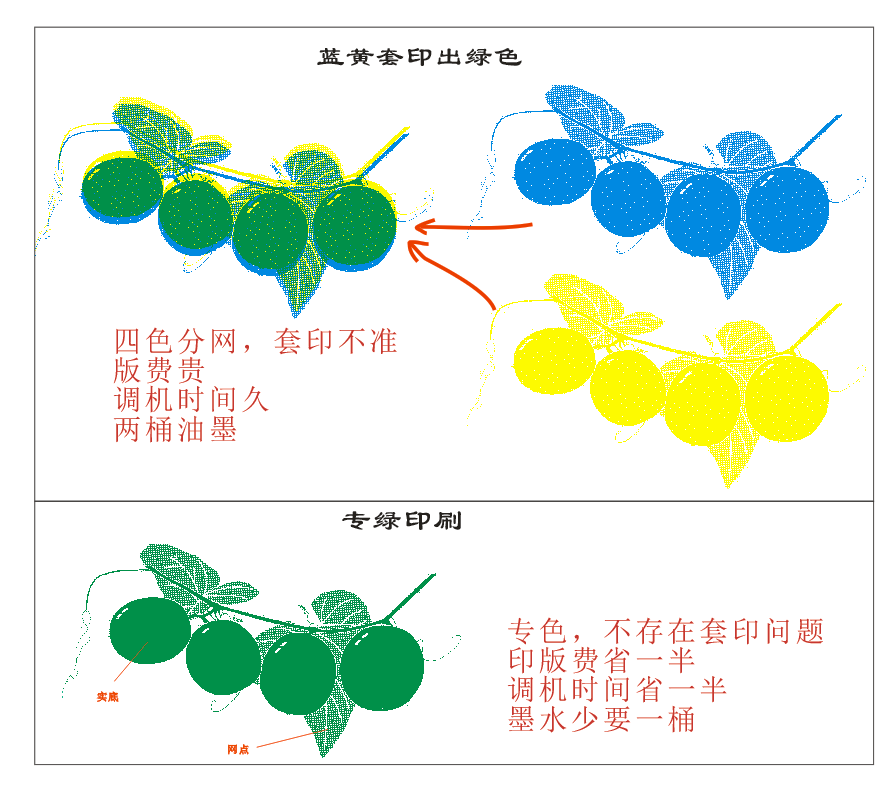
In cases where the effect is similar, using spot colors to match screen colors can greatly reduce plate making costs and bring more competitiveness to business orders. Reducing the number of colors in the pattern can reduce the difficulty of registration, save printing machine time, and improve work efficiency.
By using spot color screen matching, printing colors can be more easily controlled, and colors will not deviate or shift due to deformation errors and pressure changes during the screen rotation process. It can reduce the impact of positioning errors on pattern clarity.
As for which image to use and how to use it, it depends on the specific analysis of the problem. Some images can only be made using CMYK, but if it is found that they can be printed in three colors, then four colors are absolutely not needed. If they can be printed in two colors, then three colors are absolutely not needed. In today's world where even a penny is love, we should pay more attention to frugality.
Related news
CONTACT INFORMATION
Add: No.36 Haihe Road, Laiyang Chengxi Industrial Park, Yantai, Shandong
Tel: 086-535-7286706 / 7266652
Phone: 086-13356972688
Email: ytslbz666@163.com
OFFICIAL ACCOUNTS

MESSAGE
Copyright © Yantai Shengli Packaging Co., Ltd.